Planning · 5 min read
Planning a Luxury Family Safari in East Africa
How to shape a private East African safari around your children — the right lodge, guide and pace, with an unhurried Zanzibar finish.
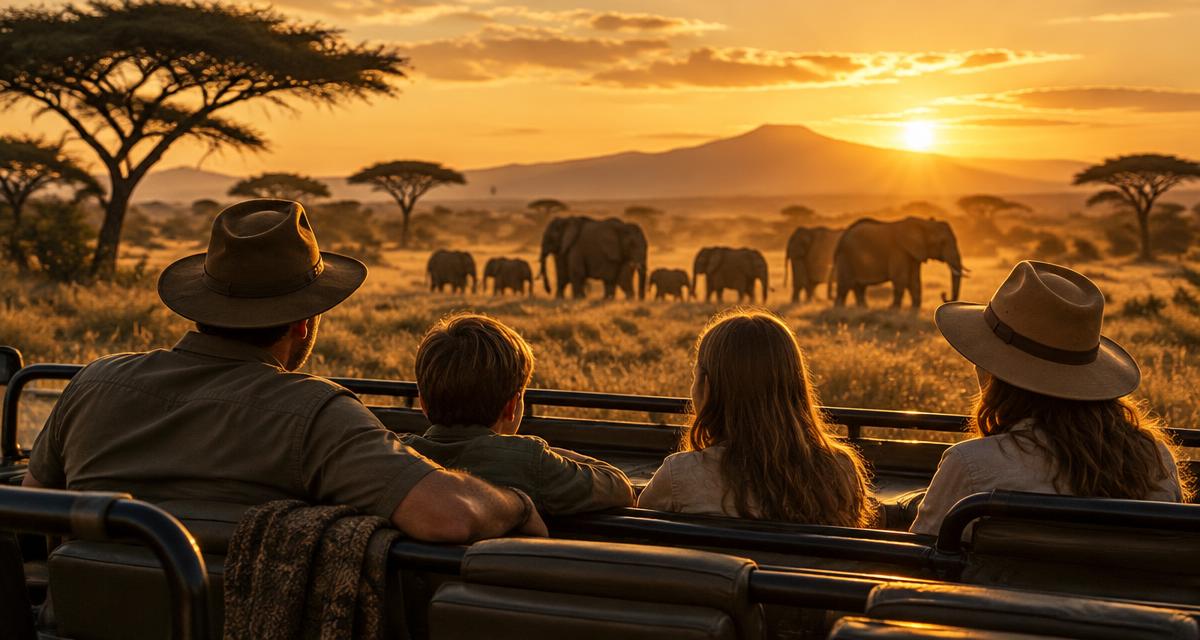
A successful luxury family safari begins with how your family likes to travel, rather than a list of animals to see. Children who enjoy early starts and long conversations with a guide need a different rhythm from those who need frequent movement, familiar meals and quiet afternoons.
In East Africa, the quality of a private journey rests on these distinctions. The right guide, a considered room arrangement and fewer changes of base can matter more than an elaborate itinerary. Plan around the children without overlooking the adults, and safari becomes a genuinely shared experience.
Choose the right safari for your children’s stage
There is no single ideal age for a first safari. Readiness is better judged by temperament: can your child sit comfortably in a vehicle, follow a guide’s instructions and accept that wildlife does not appear on demand? How do they respond to unfamiliar food, early mornings or insects?
Younger children often engage most readily through small discoveries: identifying tracks, watching birds build nests or learning why elephants dust themselves. Older children may enjoy photography, animal behaviour and thoughtful conversations about conservation. These are starting points, not fixed categories; siblings can have quite different interests.
Invite each child to choose something they would like to learn or observe. A broad interest, such as predators or birds, leaves more room for satisfaction than a promise to find one elusive species.
Some activities have participation requirements determined by the operator, setting and safety assessment. Confirm these before shaping the itinerary around walking, boating or other specialist experiences. Where interests differ, ask whether separate activities are feasible and what adult supervision they require.
Look beyond the family-friendly lodge label
A lodge may welcome children without being especially well suited to your family. Photographs rarely explain whether bedrooms connect internally, how far rooms sit from the dining area or whether reaching the pool involves an uneven path.
An unfenced camp requires consistent attention to staff guidance; it is not somewhere children can wander independently. Discuss this honestly with them before arrival.
Location deserves equal scrutiny. A well-positioned lodge can reduce the driving needed to reach wildlife areas, although sightings are never guaranteed. For families, a comfortable retreat close to the day’s activities often proves more useful than additional facilities farther away.
Ask for practical detail before choosing atmosphere and design. In particular, establish:
- Sleeping arrangements, including internal connections, bathroom access and space for parents to sit after bedtime.
- The layout of the property, wildlife precautions and when escorted movement is required.
- Pool access and supervision arrangements, without assuming a lifeguard is present.
- Flexible mealtimes, familiar food options and the kitchen’s ability to manage specific allergies.
- Whether children’s activities are guided family experiences or supervised sessions, and whether childcare is available separately.
Make the vehicle and guide private
An exclusive-use vehicle gives your family greater control over the day. You can spend longer watching a herd, return when someone becomes tired or keep an outing short without negotiating with other guests. It does not remove park rules or the guide’s responsibility to make safe decisions.
Confirm exclusivity explicitly. A private booking at a lodge does not necessarily include a private safari vehicle, and arrangements may differ between properties. Ask about seating, shade, storage, charging facilities and suitable child restraints where needed. Do not assume every vehicle has the same configuration.
The guide matters just as much. Look for someone comfortable explaining patiently, recognising fading concentration and drawing quieter children into the conversation. A guide who can make a termite mound interesting reduces the pressure to chase headline sightings.
Before the first drive, agree on simple expectations: remain seated when instructed, keep voices low near wildlife and never reach out towards animals. Parents should reinforce these boundaries, leaving the guide free to concentrate on the environment and the driving.
Build an itinerary with room to pause
Resist the temptation to collect reserves. Each move brings packing, a transfer and another adjustment to unfamiliar surroundings. Fewer bases allow children to learn the landscape and build a relationship with their guide, while adults gain time to settle rather than continually organise.
Kenya and Tanzania both offer strong possibilities for a private family journey. The better choice depends on your travel dates, preferred habitats, flight connections and tolerance for transfers. Visiting both is not essential to a varied safari.
Consider the whole transfer, not simply the advertised journey time. Road travel may involve uneven surfaces and limited comfortable stopping places. Light-aircraft flights can reduce long drives but may involve intermediate stops, baggage restrictions and small cabins. Discuss motion sickness and any anxiety before choosing between them.
Build a loose daily rhythm around wildlife outings, meals and rest. Early starts can be rewarding, but not every morning needs one. Leave genuine space for reading, swimming where appropriate or doing very little. An optional afternoon drive is more useful than a schedule that makes everyone feel obliged to participate.
Have the health conversation before booking
Arrange a consultation with your doctor or a qualified travel-health clinician while the itinerary is still flexible. Share the full route, including Zanzibar, travel dates, planned activities and each child’s medical history. Broad advice for “Africa” is not a substitute for an individual assessment.
Do not assume that a beach stay removes the need for malaria precautions. Follow personalised clinical advice, supported by appropriate clothing, repellent and the accommodation’s protective measures.
Separately, ask your travel planner about access to medical care and emergency procedures at each stop. Review insurance for the planned activities, pre-existing conditions and medical evacuation. Remote settings can affect response and transfer times; clear arrangements are important, but they should not be mistaken for immediate access to hospital care.
Useful topics to raise with your clinician include:
- Malaria risk along the proposed route, appropriate prevention and bite-avoidance measures for each family member.
- Routine vaccinations, any additional recommendations and applicable entry documentation.
- Regular medicines, prescription paperwork, storage requirements and suitable supplies for the journey.
- Allergies, asthma, stomach upsets, motion sickness and when symptoms should prompt medical attention.
- What to do if fever or other concerning symptoms develop during travel or after returning home.
Finish with an unhurried stay on Zanzibar
Zanzibar can provide a welcome change of rhythm after safari: later mornings, time by the water and fewer decisions. Keep the transition straightforward, accounting for flight connections and the onward road transfer before choosing a hotel.
Choose the coast with your family’s swimming preferences in mind. Tides can substantially change beach conditions, and sea access varies by location. Ask what swimming is typically like at the property during your travel period, alongside questions about pools, shade and supervision.
Apply the same care to room layouts and meals as you would on safari. A spacious suite is only useful if its sleeping arrangements work for your children.
Snorkelling, boat trips and a visit to Stone Town can add interest, but need not fill every day. Confirm operator standards, suitable safety equipment and activity requirements; conditions and individual confidence should guide participation. Leave enough unscheduled time for the beach stay to feel like a rest rather than another itinerary.
Share this article
Planning a Luxury Family Safari in East Africa
bespoke-broadcaster.lovable.app
Speak to Kayo Services about a private family safari in East Africa, shaped around your children and completed with time on Zanzibar.
Contact Kayo Services